Fair Warning: This is going to be a long one! This is a deep dive and is not for the faint of heart. If you’ve wondered about advanced topics around diacetyl and ALDC (acetolactate decarboxylase) this is a fantastic resource for you. If you need a beginner’s intro to ALDC and diacetyl, check out this article first!
5/10/2024 – I have learned that ALDC does not prevent hop creep, however it does prevent Diacetyl production triggered by a secondary fermentation as a result of hop creep!
ALDC is one of my primary weapons for producing a clean beer in a short amount of time.

Image Credit: Jessica Merz from Novato, USA, CC BY 2.0 https://creativecommons.org/licenses/by/2.0, via Wikimedia Commons
Introduction to ALDC and Diacetyl
Butter. Amazing on food, not so much in beer. Get ready for a ride! Here we go:
Acetolactate Decarboxylase (ALDC) is an enzyme that plays a crucial role in the brewing process, specifically in the reduction of diacetyl levels in beer. Diacetyl is a flavor compound that can give off-flavors and aromas to beer, resembling butter or butterscotch. In fact, it is what gives butter…. a buttery flavor! While some beer styles benefit from a slight presence of diacetyl, excessive amounts can be undesirable and negatively impact the overall quality of the beer. This is especially true when you are targeting a cleanly fermented beer style.
The science behind diacetyl and its precursors in beer is complex but understanding it is essential for those aiming to control its presence. Diacetyl is formed as a natural byproduct of yeast metabolism during fermentation. It originates from pyruvate, which becomes alpha-acetolactate, an intermediate compound produced when yeast metabolizes sugars derived from malted barley.
The timing of ALDC addition during fermentation can influence its effectiveness in reducing diacetyl levels. BSG and Cellar Science both recommend adding ALDC at yeast pitching time and when adding dry hop charges for maximum effect. CellarScience is the brand I personally use and it has resulted in medal winning beers!
pH plays a crucial role in the activity of ALDC and beer quality. The optimal pH range for ALDC activity is typically between 5.8 and 6.5, or slightly acidic conditions. Deviations from this range can affect enzyme stability and activity, leading to variations in diacetyl reduction. Monitoring and controlling pH throughout the brewing process is essential for maximizing ALDC’s potential in reducing diacetyl levels. It is worth noting that like all enzymes, ALDC is still active at lower and higher pH ranges as well as temperatures, they just become less effective outside the optimal range and may completely denature after venturing too far outside that range.
Scholarly insights into ALDC continue to shed light on its mechanisms, applications, and future directions for research. Studies have explored different factors influencing ALDC activity, such as temperature, pressure, and oxygen availability. Additionally, researchers are investigating novel methods for enhancing ALDC production through genetic engineering techniques. (Structure and catalytic mechanistic insight into Enterobacter aerogenes acetolactate decarboxylase. Enzyme and Microbial Technology, https://doi.org/10.1016/j.enzmictec.2019.03.005)
The Science Behind Diacetyl and Its Precursors
Diacetyl is formed as an intermediate product during the metabolism of alpha-acetolactate, a precursor molecule produced by yeast during fermentation. Alpha-acetolactate is a key compound in the synthesis of branched-chain amino acids, which are essential for yeast growth and viability, which is likely why many yeast strains produce them to begin with. However, under certain conditions, alpha-acetolactate can and usually does undergo a molecular transformation triggered spontaneously, resulting in the formation of diacetyl.

The production of diacetyl during fermentation is influenced by various factors, including yeast strain, fermentation temperature, oxygen exposure, and wort composition. Different yeast strains have varying abilities to produce and consume diacetyl. Some strains are known to produce higher levels of diacetyl, while others have a greater capacity for its reabsorption or conversion into other compounds. This is not just limited to yeast either. Saccharomyces pastorianus, saccharomyces cerevisae, brettanomyces and the bacterium pediococcus all are capable of producing ketones resulting in diacetyl formation.
Fermentation temperature also plays a crucial role in diacetyl production. Higher temperatures generally promote increased production of diacetyl due to enhanced enzymatic activity. However, excessive heat can also lead to increased volatilization of diacetyl, resulting in reduced levels in the final beer.
Oxygen exposure during fermentation can also impact diacetyl levels. Oxygen ingress can cause oxidative stress on yeast cells, leading to increased production of diacetyl. Brewers must carefully control oxygen levels throughout the brewing process to minimize this effect.
Wort composition, specifically the availability of precursors such as pyruvate and alpha-acetolactate and its precursor molecules, can significantly influence diacetyl production. Wort with higher levels of these precursors will result in increased diacetyl formation during fermentation.
To effectively manage diacetyl levels in beer, brewers employ various strategies. One approach is to utilize yeast strains with low diacetyl production or high reabsorption capabilities. Many will also recommend performing a diacetyl rest; raising the temperature by about 10 degrees Fahrenheit after primary fermentation has completed. This helps the yeast reabsorb diacetyl. Additionally, controlling fermentation temperature and oxygen exposure is crucial to minimize diacetyl formation. Brewers may also employ the use of ALDC enzymes to accelerate the conversion of alpha-acetolactate into less volatile compounds, effectively reducing diacetyl levels. This method totally bypasses the production of diacetyl, meaning, no diacetyl rest required!
Practical Application: Timing and Dosage
The practical application of Acetolactate Decarboxylase (ALDC) in brewing involves careful consideration of timing and dosage. Timing is crucial when it comes to adding ALDC during the brewing process. It is typically added at the time of yeast pitching, before diacetyl production begins. This ensures that the ALDC has enough time to convert acetolactate into acetoin and prevent the formation of diacetyl.
Dosage is another important factor to consider when using ALDC. The optimal dosage depends on various factors such as the size of the batch, the desired flavor profile, and the specific brand of ALDC being used. It is recommended to follow the manufacturer’s instructions for dosage guidelines. Cellar Science for example states that one dropper-full should be used for a five-gallon batch at yeast pitch time and/or dry hopping.
When considering practical application, it is also important to note that ALDC may not be suitable for all beer styles or brewing processes. Some beer styles may require a certain level of diacetyl as part of their flavor profile, such as certain lagers or English ales. Additionally, certain brewing techniques or ingredients may inhibit or enhance the activity of ALDC. Therefore, it is essential for brewers to carefully evaluate their specific brewing conditions and goals before incorporating ALDC into their process.
OK, What is Hop Creep and How does ALDC Help?

Have you ever reached the end of primary fermentation, your FG has remained at the same gravity for several days and no airlock activity is observed? You then pitch a dry hop charge, and suddenly, airlock activity starts again? This is hop creep.
Hops contain simole sugars and several enzymes, one of which being amyloglucosidase, which is known to break down starches and complex sugars (dextrins) into simple glucose, which is highly fermentable. This means your target of 1.010 is now going the way of the past and your actual FG is going to much lower. This is a huge problem because your bittering ratio is going to be way off, resulting too much bitterness, attenuation of the yeast is going to go way up, and you are in an over-attenuation zone. Hello unexpected dry beer!
Amyloglucosidase and hop creep are becoming far more prevalent issues for brewers these days, because we have shifted to low kiln temperatures to preserve hop oils. The idea here is to produce hops with high amounts of volatile oils left behind to give our beers more flavor and aroma. The tradeoff, is that the higher kilning temperatures used in days past would denature amyloglucosidase, eliminating or reducing the threat. With fruitier hops with higher amounts of oils present, we can be sure these were kilned at a lower temperature and the hop material definitely contains amyloglucosidase.
Great. That’s awful. So, what can we do about it?
Don’t worry, ALDC can help! Because secondary fermentations resulting from hop creep would mean more acetolactate converting to diacetyl, we can again use ALDC at dry hopping time to prevent the formation of diacetyl altogether, and instead producing acetoin as illustrated earlier. Simple right? Although we cannot prevent hop creep (well, not with ALDC that is!) we CAN prevent further diacetyl production coming from secondary fermentations.
Just add ALDC at the time of dry hopping (in addition to at the start of primary fermentation) to prevent further diacetyl production.
I am planning to do an experiment around this, with three brews. One with no amyloglucosidase added at any point (control), one with tons of mashing hops and one with a large dry hop charge. I expect better conversion rates from the second batch and higher attenuation from the third batch! Let me know if this interests you!
Production and Engineering of ALDC

The production of ALDC involves the use of genetically modified microorganisms or recombinant DNA technology.
Here’s what that looks like:
- Source Organisms for ALDC Gene:
- The ALDC enzyme is naturally produced by several microorganisms. One of the most commonly studied sources of the ALDC gene is the bacterium Bacillus subtilis as well as Lactococcus lactis. These bacteria have been extensively researched for their ALDC activity.
- Gene Identification:
- The gene responsible for ALDC production in Lactococcus lactis is typically referred to as the aldB gene. This gene encodes the acetolactate decarboxylase enzyme, which is responsible for the conversion of alpha-acetolactate to acetoin.
- Gene Cloning:
- Once the aldB gene from Lactococcus lactis is identified, it is isolated and then inserted into a plasmid. Commonly used plasmids for this purpose include pUC19 or pBR322, which are well-characterized and widely used in molecular biology research.
- Host Organisms for Transformation:
- The plasmid carrying the aldB gene is typically introduced into a host organism for expression. Common host organisms include:
- Escherichia coli (E. coli): A well-studied bacterium that is often used for protein expression due to its rapid growth and ease of genetic manipulation.
- Saccharomyces cerevisiae (yeast): This yeast is another common host for protein expression, especially for enzymes intended for food or beverage applications.
- The plasmid carrying the aldB gene is typically introduced into a host organism for expression. Common host organisms include:
- Fermentation:
- Once transformed, the host organism is grown in fermentation tanks. The choice of growth medium can vary depending on the host organism. For instance, E. coli might be grown in LB (Luria-Bertani) or M9 medium, while S. cerevisiae might be grown in YPD (Yeast Peptone Dextrose) medium.
- Purification:
- After fermentation, the ALDC enzyme is extracted from the host cells. If the enzyme is expressed with a “tag” (like a His-tag), it can be purified using affinity chromatography. Otherwise, ion-exchange chromatography or size-exclusion chromatography might be employed.
- Quality Control and Further Applications:
- The purified ALDC enzyme, now expressed from the aldB gene of Lactococcus lactis but produced in a host like E. coli or S. cerevisiae, can be tested for its activity and then used in reducing diacetyl levels in beer making.
In recent years, advancements in biotechnology have allowed for more precise control and optimization of ALDC production and engineering. Researchers are exploring novel approaches such as directed evolution and protein engineering to enhance ALDC performance. These techniques involve modifying the enzyme structure or introducing mutations to improve its catalytic efficiency, stability, and specificity. (Structure and catalytic mechanistic insight into Enterobacter aerogenes acetolactate decarboxylase. Enzyme and Microbial Technology, https://doi.org/10.1016/j.enzmictec.2019.03.005)
Insights and Future Directions
As the brewing industry continues to evolve, researchers and experts have been delving deeper into the role of Acetolactate Decarboxylase (ALDC) in beer production. The scientific community has made significant strides in understanding the impact of ALDC on diacetyl levels in beer, but there is still much to explore.
One area of interest for future research is the optimization of ALDC dosage and timing. While current recommendations provide general guidelines, further studies could help brewers fine-tune their processes to achieve optimal results. By investigating different dosage levels and timing strategies, researchers can identify the most effective ways to control diacetyl formation during fermentation.
Another avenue for exploration is the development of new ALDC brands or strains that offer improved performance. Currently available brands have shown promising results, but advancements in biotechnology may lead to the creation of even more efficient ALDC enzymes that work well outside the current pH and temperature ranges.
Conclusion
In conclusion, Acetolactate Decarboxylase (ALDC) plays a crucial role in the brewing process by effectively reducing diacetyl levels in beer. You need this enzyme in your life. While ALDC is rather expensive (~30$ for 30 five gallon batches worth), to me, it is completely worth the extra minute and dollar per batch to ensure no diacetyl is going to affect my beer.
References
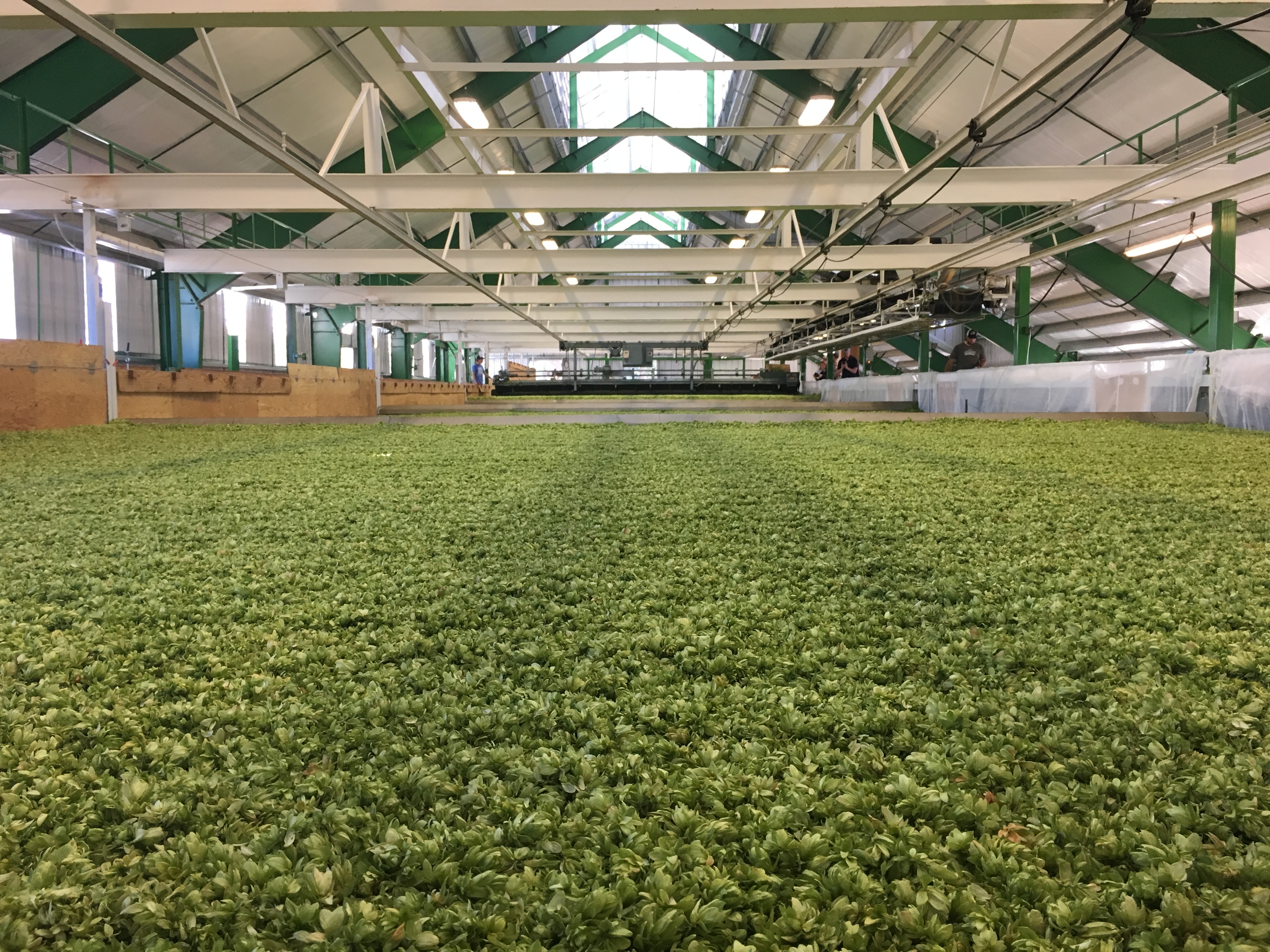
- Goschie Farms. (2017). [Photograph of Goschie Farms with Pyramid Brewing 2017 Hop Harvest]. Brewpublic. https://brewpublic.com/wp-content/uploads/2017/08/Goschie-Farms-With-Pyramid-Brewing-2017-Hop-Harvest-9.jpg
- Mink, R., Kölling, R., Sommer, S., Schmarr, H.-G., & Scharfenberger-Schmeer, M. (2015). Diacetyl Formation by Oenococcus oeni during Winemaking Induced by Exogenous Pyruvate. American Journal of Enology and Viticulture, 66(1), 85-90. https://www.ajevonline.org/content/66/1/85
- Merz, J. (n.d.). [Photograph]. Wikimedia Commons. CC BY 2.0. https://creativecommons.org/licenses/by/2.0
- Ji, F., Feng, Y., Li, M., Long, F., Yang, Y., Wang, T., Wang, J., Bao, Y., & Xue, S. (2019). Structure and catalytic mechanistic insight into Enterobacter aerogenes acetolactate decarboxylase. Enzyme and Microbial Technology, 126, 9-17. https://doi.org/10.1016/j.enzmictec.2019.03.005

Leave a Reply